07/15/26
Supporting Bold Leadership: A Conversation with Brooks Miller
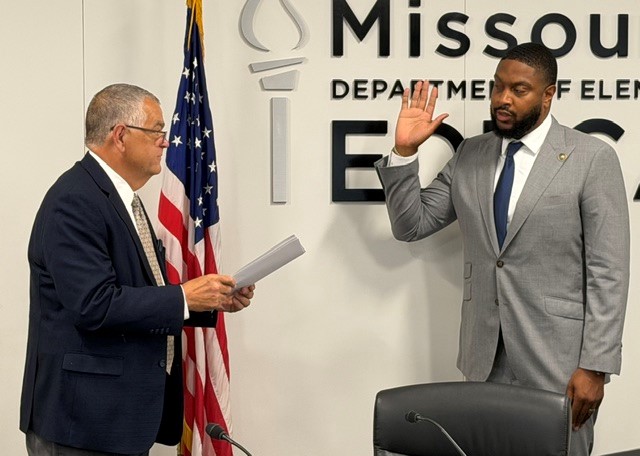
As part of an ongoing interview series, The Opportunity Trust is sitting down with members of the Missouri State Board of Education to discuss the opportunities, challenges, and decisions shaping the future of education across the state.
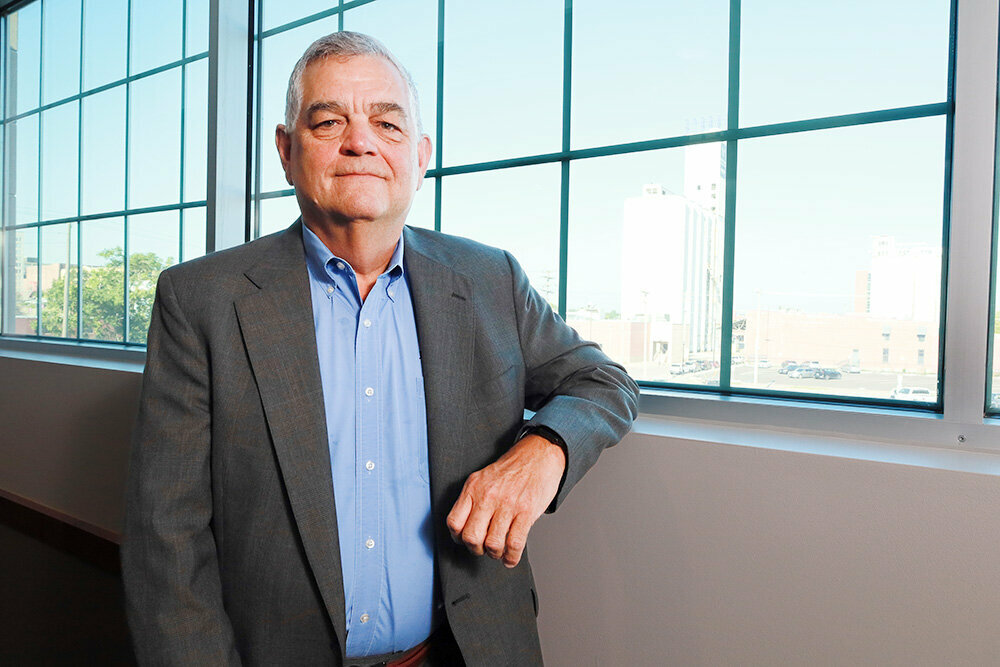
This month, we spoke with Brooks Miller, the newly elected President of the Missouri State Board of Education. After a 44-year career leading community health organizations across Missouri, Miller brings a unique perspective on workforce development, community partnerships, and the role education plays in preparing students for long-term success.
Many of the issues Miller discussed, literacy, workforce readiness, transparency, and accountability, are central to The Opportunity Trust’s efforts to improve outcomes for students across Missouri.
For Miller, the conversation starts with one question: What kind of education system does Missouri need not just today, but 10 or 15 years from now?
“This is such an important thing for our state and really the future of our state,” Miller said. “We take education lightly when we talk about today, but this isn’t about today. It’s about the future.”
His perspective is shaped in part by his own educational journey. After graduating from high school, Miller spent several years working a variety of jobs before returning to college as a husband and father. That experience reinforced his belief that education creates opportunity and opens doors.
Looking Beyond the Next School Year
For Miller, one of the State Board’s most important responsibilities is helping Missouri establish a clear long-term vision for public education.
“I think it’s extremely important that we as a board start moving forward in a way that we know where we want to go,” he said.
That vision includes stronger connections between schools, employers, and communities. As workforce demands evolve, Miller believes students need both strong academic foundations and meaningful exposure to the opportunities available in their communities.
“Schools, healthcare systems, government, and businesses cannot live in a bubble,” Miller said. “We have to work together.”
His emphasis on collaboration mirrors broader efforts underway across Missouri to strengthen career-connected learning and ensure students graduate prepared for college, careers, and life.
Learning from What Works
When asked where Missouri can find inspiration for improvement, Miller pointed to states that have demonstrated significant academic gains despite facing many of the same challenges Missouri faces today.
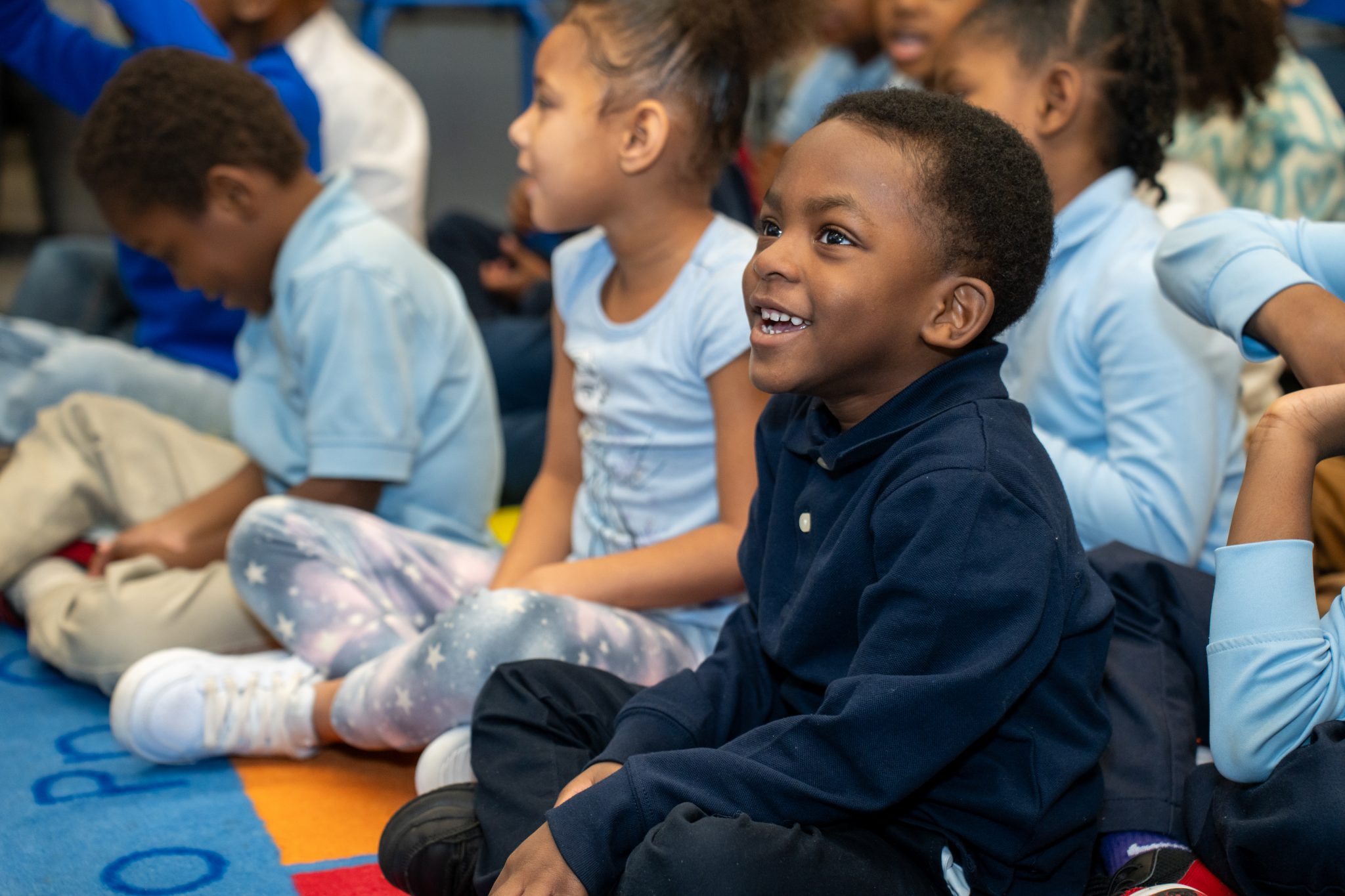
In particular, he highlighted Mississippi’s sustained focus on early literacy. Over the last decade, Mississippi has improved its fourth-grade reading performance on the National Assessment of Educational Progress (NAEP), a national example of how sustained attention to literacy can drive stronger student outcomes.
“If they can do it, anybody can do it,” Miller said. “We just have to focus on its importance.”
For Miller, strong reading skills remain one of the most important predictors of long-term student success.
“If you can’t read at grade level by third or fourth grade, your ability to catch up becomes very difficult,” he said. “We have to focus a lot of attention on that K-3 area.”
His comments reflect a growing focus on literacy across Missouri, including the passage of Senate Bill 681, and efforts such as the Emerson Early Literacy Challenge, which helps schools strengthen reading instruction and improve outcomes for young learners.

Transparency and Accountability
Miller also emphasized the importance of transparency and accountability as Missouri works to improve outcomes for students.
His comments come as state leaders continue conversations around school accountability and the implementation of A-F school report cards, an effort supporters believe will provide families and communities with clearer information about school performance.
“How do you know where you need to go if you don’t know where you’re at?” Miller said.
Rather than viewing accountability as punitive, Miller sees it as a tool for improvement. Clear information helps communities identify challenges, direct resources where they are needed most, and learn from schools that are achieving strong results.
“People want to invest in good things,” Miller said. “That’s why it’s important that we are clear and open about where schools are performing and what outcomes we’re trying to improve.”
For Miller, strong governance, honest data, and a commitment to continuous improvement are essential to helping more Missouri students succeed.
As Missouri enters a new chapter with new State Board of Education members and a state education commissioner search underway, Miller hopes his legacy will be helping establish a clearer vision for the future.
“We need to identify problems, learn from what’s working, and work together to solve challenges before they become bigger issues,” he said.
For Miller, the goal is simple: ensure every student has access to the opportunities, skills, and support needed to thrive long after they leave the classroom.
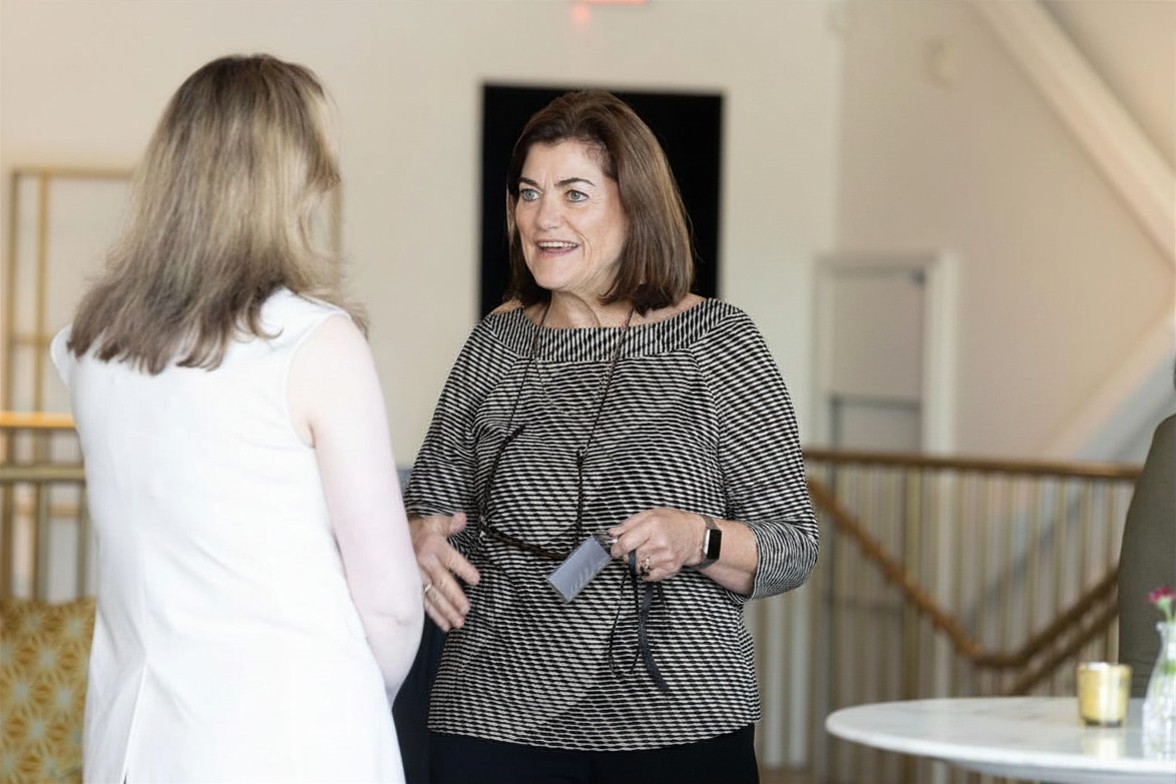
Raising Expectations: Getting to know State Board member Kerry Casey
Listen to the interview: