07/15/26
Advancing Strong Governance: A New Board for a New Era
Missouri’s State Board of Education is entering one of the most significant periods of renewal in its history. By the end of this summer, Governor Mike Kehoe will have appointed seven of the Board’s eight members, creating a rare opportunity to reshape the state’s education agenda around accountability, literacy, and stronger outcomes for Missouri students.
A Generational Opportunity for Change
The State Board of Education sets the policies, priorities, and accountability systems that shape educational outcomes for nearly 900,000 students. Its structure is intentionally designed to be both independent and representative. Members serve staggered eight-year terms, providing continuity, while state law limits any single political party to four of the Board’s eight seats, ensuring diversity of perspectives from across the state. Seats are also allocated across Missouri’s congressional districts, helping ensure the Board’s decisions reflect the needs and priorities of communities across the state.
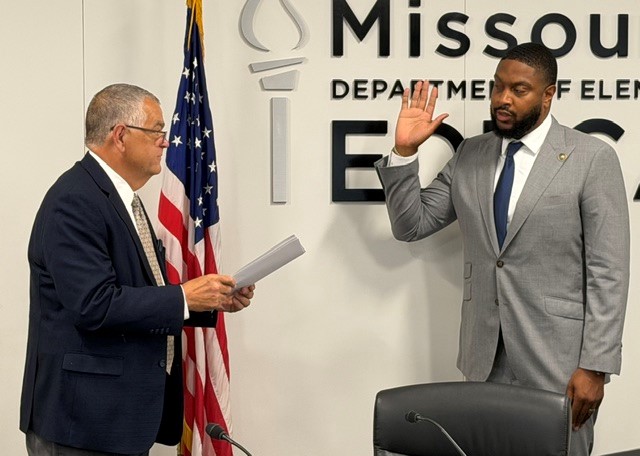
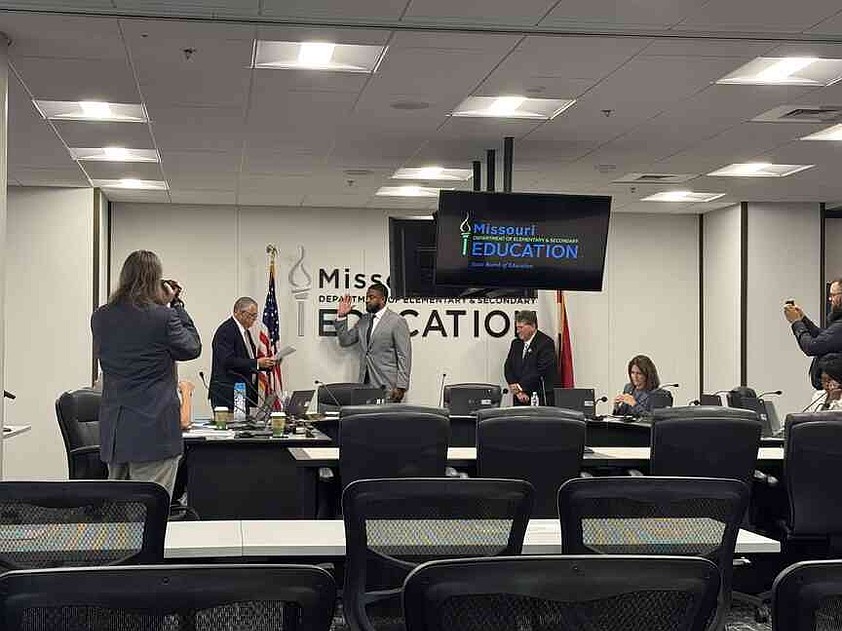
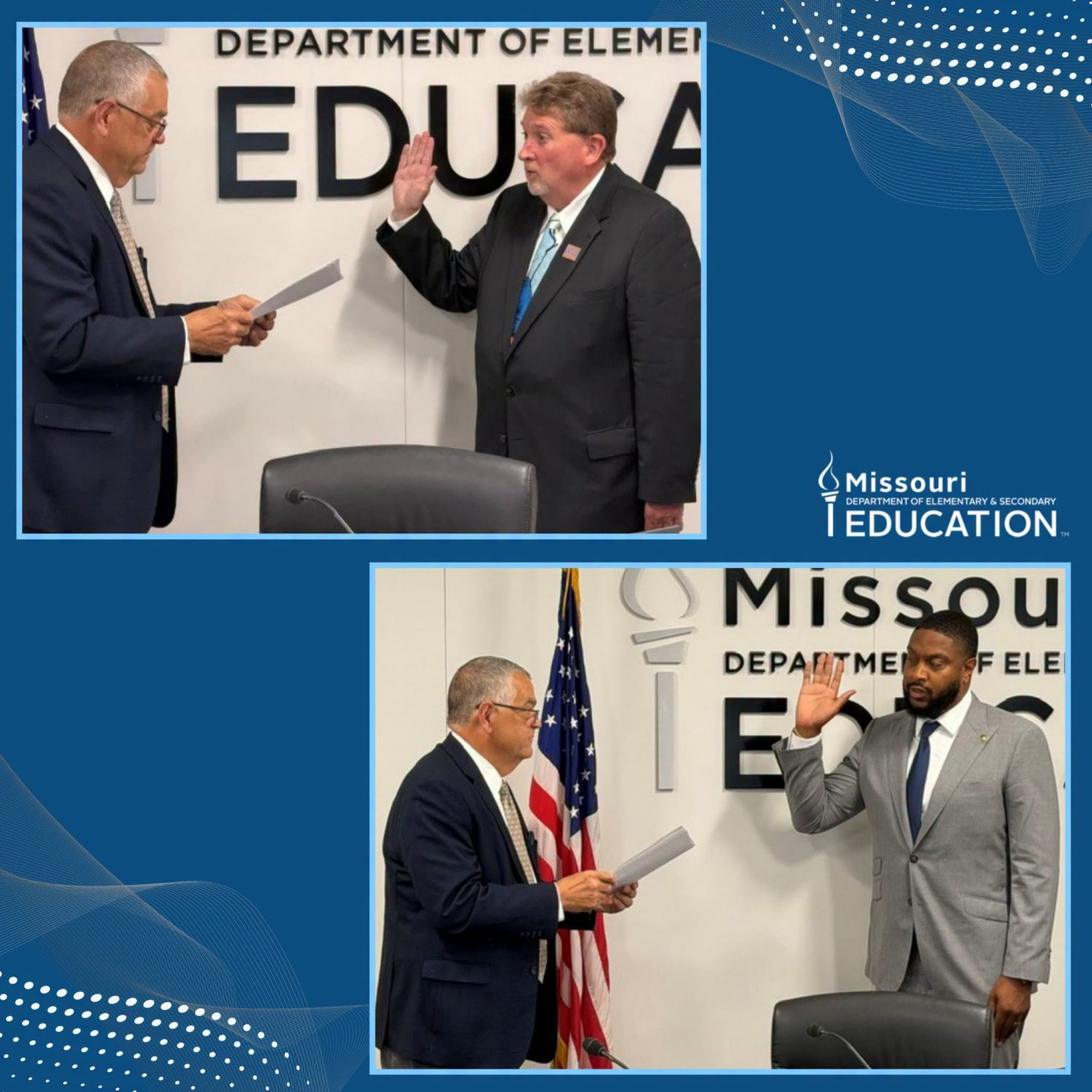
Since a number of seats had been left unfilled or members had continued serving past the end of their terms in prior administrations, Governor Kehoe entered office with an unusual number of appointments to make. Beginning in April 2025, he appointed Brooks Miller, Mike Matousek, and Jon Otto, bringing perspectives from community health, civic governance, and corporate law, respectively. Dr. Gretchen Shull joined the Board in October 2025. This June, Jordan Bradberry of Kansas City and Robbie Myers of Poplar Bluff, an experienced community leader and emergency management director recognized in Kehoe’s own 2026 State of the State address for his leadership during Missouri’s spring tornado response, received their appointments.
The next seat opened July 1 , representing Missouri’s First Congressional District. With that appointment, Governor Kehoe will have named seven of the eight members of the Board. A final appointment later in his term is expected to complete the renewal of the full Board, meaning that, for the first time on record since its establishment, every member of the Board will have been appointed during a single administration.
From the beginning, the Governor has been clear about what he hopes the Board will achieve:
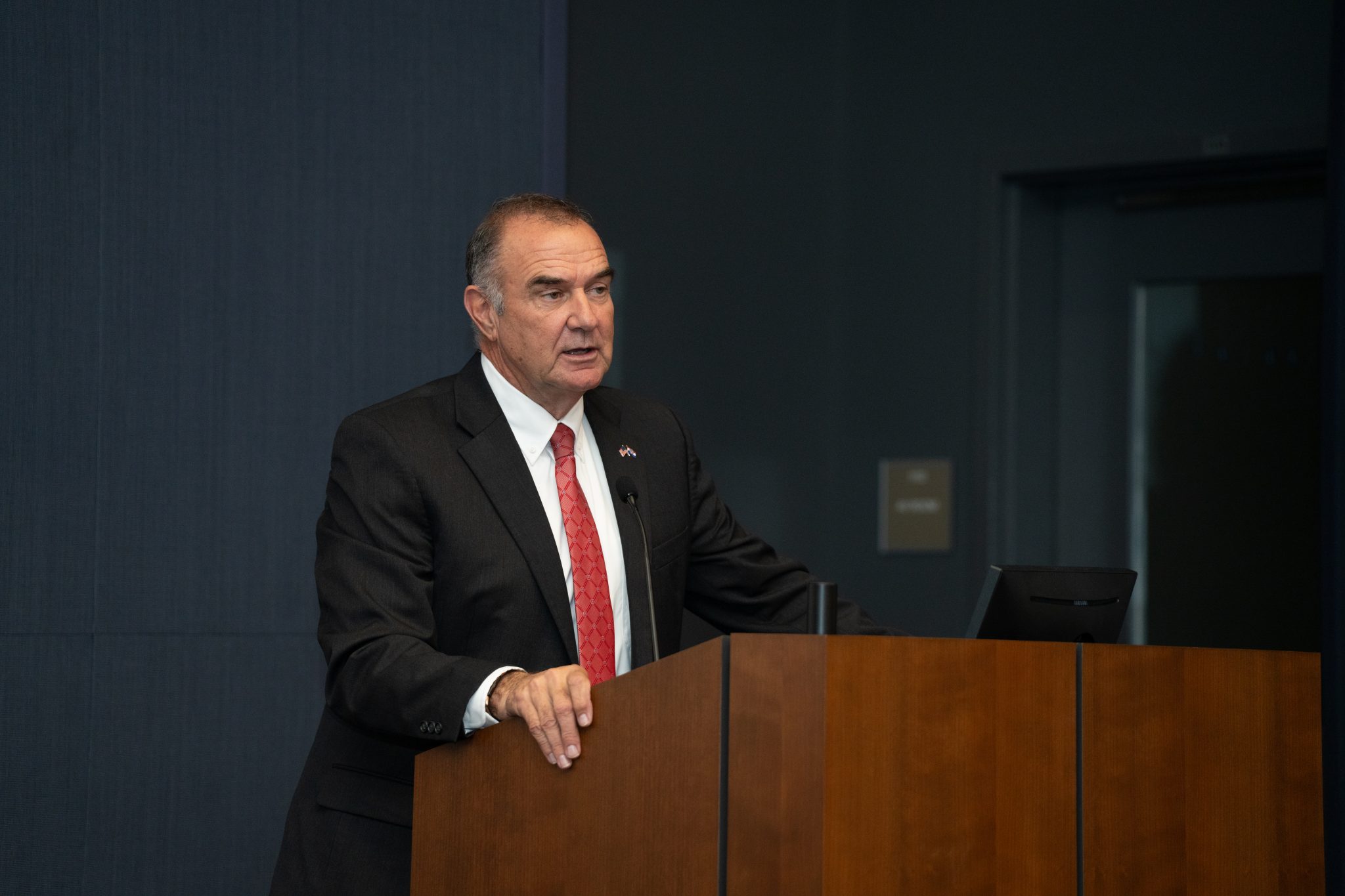
Strengthening public education, expanding school choice, and empowering parents is critical to ensuring that every single student has the opportunity to get a world class education.
Governor Mike Kehoe
New People, New Policies, New Approaches
The Board also strengthened its own governance. For the first time, its members adopted bylaws, elected new leadership with Brooks Miller serving as Board president, and established a formal evaluation process for the Commissioner of Education to better align the Missouri Department of Elementary and Secondary Education (DESE) work with Board priorities. These governance improvements help set the conditions for sustained, focused improvement. When Commissioner Karla Eslinger announced her retirement this spring, the Board named educational consultant and former DESE official Stacey Preis as interim commissioner and launched a national search for permanent leadership. Preis brings extensive experience in Missouri education policy and a clear sense of what the department needs to do well during this period of change.
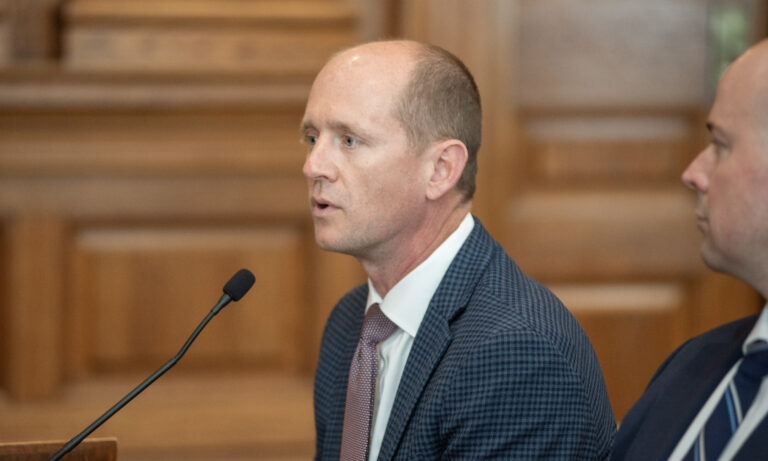
Board President Miller has been thoughtful in describing what the search for a new commissioner will require. “We have to do our evaluation of what our needs are, what kind of person we need to hire to fill those needs,” he said. “We’re starting from scratch, and doing it right.”
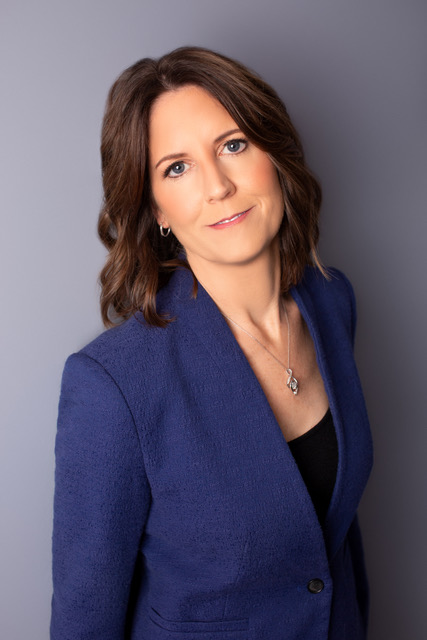
Missouri students, parents, and educators expect a department that is responsive, supportive, and relentlessly focused on excellence. I am honored to serve and will work closely with the state board, the dedicated team at DESE, and our partners to drive innovation, strengthen outcomes, and continue the progress for Missouri’s children.
Dr. Stacy Preis, Missouri State Board of Education Interim Commissioner of Education
Turning the Tide on a Decade of Decline
The Board’s renewal comes at a moment when Missouri’s education data calls for sustained, coordinated attention. Student achievement across the state has declined over much of the past decade, a trend that predates the pandemic and has continued in its aftermath. Missouri now ranks in the lower third of states in early reading performance, and statewide proficiency rates in core academic skills remain below where they need to be. The Board is focused on what can be done about it, and the governor’s agenda provides a clear direction.
Central to the Board’s agenda is ensuring that DESE implements Senate Bill 681, the groundbreaking literacy legislation designed to put Missouri’s youngest learners on a path to reading proficiency through evidence-based instruction. Early data from schools that have embraced research-backed reading approaches is encouraging, and the Board is committed to seeing this work implemented consistently and well across the state.
The Board is also supporting the implementation of Governor Kehoe’s executive order directing DESE to develop an A–F school grading system, a simple, transparent tool to help families understand how their schools are performing and to drive school improvement where most needed. The Governor signed the order in January 2026, with a plan for school report cards due by July 1.
“Expanding access must go hand in hand with accountability,” said Governor Kehoe in his State of the State Address. “Parents deserve clear, easy to understand information about how schools are performing so they can make the best decision for their children.”
Years of Work, Now Taking Shape
The Opportunity Trust has partnered with state leaders, educators, and community organizations over many years to help build the policy and governance conditions that make meaningful improvement possible. That work has included advocating for a Board oriented toward student outcomes, supporting legislation to strengthen literacy and accountability, and helping convene the civic and policy conversations that advance shared understanding of what Missouri’s schools need to succeed.
As we noted in early 2025, the staggered nature of Board terms meant that Governor Kehoe would have a meaningful opportunity to shape Missouri’s education governance over the course of his administration. The appointments he has made, and the governance improvements the Board has pursued, reflect the kind of student-centered, outcome-oriented leadership that we believe creates the conditions for sustained progress.
Introducing Missouri’s New Board Members
Throughout this year, we will be featuring the new Board members in the pages of this newsletter, introducing you to the people now shaping Missouri education and sharing their perspectives on the work ahead.
We began with our Spring 2026 conversation with Kerry Casey of Chesterfield, who shared her perspective on governance, her belief in the power of transparent data, and her conviction that high expectations are both necessary and achievable for Missouri’s students. That conversation continues with Board President Brooks Miller, whose interview offers another perspective on the leadership shaping Missouri’s public education system. In the months ahead, we’ll introduce more of the leaders shaping this new chapter for public education in Missouri.
Raising Expectations: Getting to know State Board member Kerry Casey
Listen to the interview:
Advocating for Change: An Interview with the Chair of Missouri’s Senate Education Committee
Advocating for Change: An Interview with the Chair of Missouri’s Senate Education Committee
In February 2020, Senator Cindy O’Laughlin from District 18 covering 14 counties in the northeastern part of the state was…
Catalyzing Change: Focusing school boards on student outcomes
A.J. Crabill introduces himself as a student outcomes evangelist. Jim Cowen, left, and A.J. Crabill, middle, talk about school board…