04/21/26
Raising Expectations: Getting to know State Board member Kerry Casey
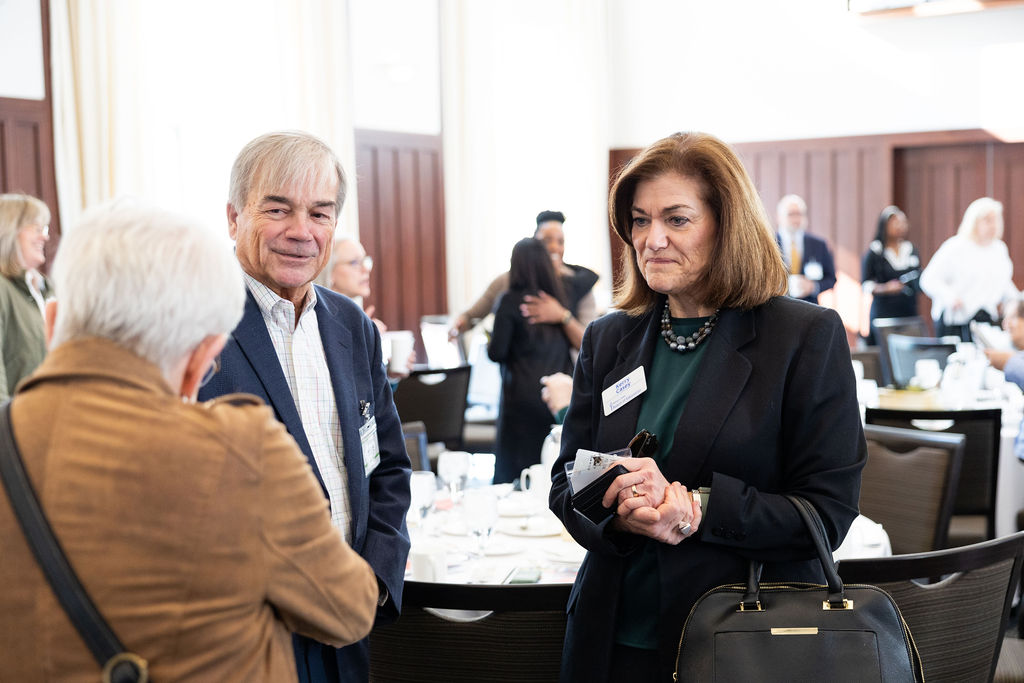
Missouri’s path to stronger student outcomes will depend on sustained leadership, transparent data, and a clear focus on accountability. Those priorities are central to the vision of Missouri’s newly transformed State Board of Education, which has undergone significant change in recent years through the appointment of new members committed to higher expectations and improved student outcomes. This conversation with State Board member Kerry Casey is the first in a series highlighting those leaders and their perspectives on the future of public education in Missouri. For State Board of Education member Kerry Casey, those priorities define both her work on the board and her vision for how the state can move from incremental progress to measurable improvement for students.
Recent statewide academic trends underscore the urgency. Missouri has slipped into the bottom third of states nationally in early reading performance, and fewer than half of students are proficient in core academic skills. These realities, Casey says, reinforce the need for clear goals, honest measurement, and coordinated action across the education system.
“You can’t improve what you don’t measure,” Casey said, emphasizing the role of transparent data in driving better decisions and outcomes.
Casey’s approach to governance is rooted in decades of leadership experience across global organizations in aviation, telecommunications, and financial services. In those environments, she learned that high-performing systems share common conditions: aligned leadership, disciplined measurement of outcomes, and a relentless focus on improvement.
“What’s important is measuring the outcomes,” she said. “We can prove that our education is the best through the results that we attain.”
She believes those same conditions must guide education policy. Establishing ambitious expectations for student achievement, supporting educators with the right tools, and holding systems accountable for progress are, in her view, essential to ensuring students graduate prepared for college, careers, and civic life.
Her earlier service as a founding board member of KIPP charter schools in St. Louis further shaped her conviction that governance matters. Effective boards, she argues, create the strategic conditions that enable strong school leadership and sustained academic gains.
“I think it has to start with expectations,” Casey said. “We have to believe that excellence can be achieved.”

Defining success through transparent outcomes
Casey emphasizes the importance of tracking academic progress alongside indicators of workforce readiness and long-term opportunity.
“Our results should be determined by specific academic outcome measures as well as student college and career readiness,” she said.
This focus aligns with broader statewide efforts to strengthen transparency and accountability.
The Opportunity Trust has helped advance these priorities by convening educators, policymakers, and civic leaders around a shared fact base — including our annual Education Data Town Hall and related policy analysis highlighting milestone indicators such as early literacy and middle-grade math. OT has also supported greater public access to performance data through tools like the Missouri Education Data Explorer, helping leaders better understand where students are succeeding and where targeted action is needed. These efforts aim to align policy, resources, and leadership around strategies proven to improve student achievement.
Missouri’s academic trends reflect both challenges and opportunities. While statewide English language arts (ELA) proficiency has yet to fully recover to pre-pandemic levels, targeted gains in some districts and schools demonstrate that improvement is possible when expectations, instruction, and leadership alignment are in place.
Casey believes accelerating progress will require learning from states that have achieved sustained gains in literacy and math, while adapting those lessons thoughtfully to Missouri’s context. She emphasizes that delayed action carries real consequences, as students who fall behind early often face compounding barriers later in their educational journey.
“Time is our worst enemy. Generations can be lost in the process,” she said.
Partnership as a catalyst for system change
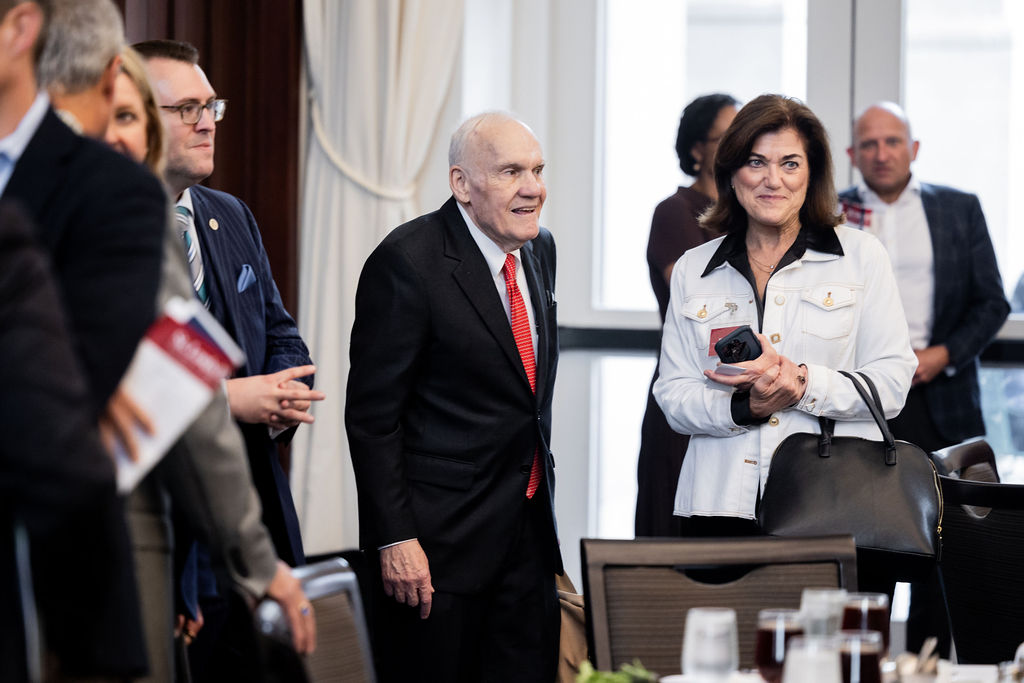
Casey sees collaboration across sectors as essential to achieving durable improvement. She encourages business, philanthropic, and civic leaders to engage directly with school systems, strengthening governance capacity and helping align education outcomes with workforce needs.
That collaboration includes organizations such as The Opportunity Trust, which she credits with helping policymakers better understand promising strategies from across the country and apply them locally.
“Organizations like The Opportunity Trust are very important in helping us see what is working elsewhere,” Casey said, noting the value of shared learning and strategic alignment in advancing student success.
Through policy engagement and its focus on transparent data, The Opportunity Trust is working to help build the conditions for sustained statewide improvement — aligning leadership, resources, and instructional strategy around measurable student outcomes.
Looking ahead, Casey hopes her tenure on the board contributes to a future in which a confident majority of Missouri students are reading and doing math at grade level — a benchmark she believes is both ambitious and achievable within the next decade.
Ultimately, she measures success not by individual policy decisions but by whether those decisions translate into stronger academic outcomes and expanded opportunities for students and families.
“We all want the best education opportunities available for all of the children of Missouri,” she said. “It’s our job to set that vision and drive the changes that are needed.”
Read more:

Supporting Bold Leadership: A Conversation with Brooks Miller