11/03/25
Deeper Collaboration: A Shared Focus on Missouri’s Future Workforce
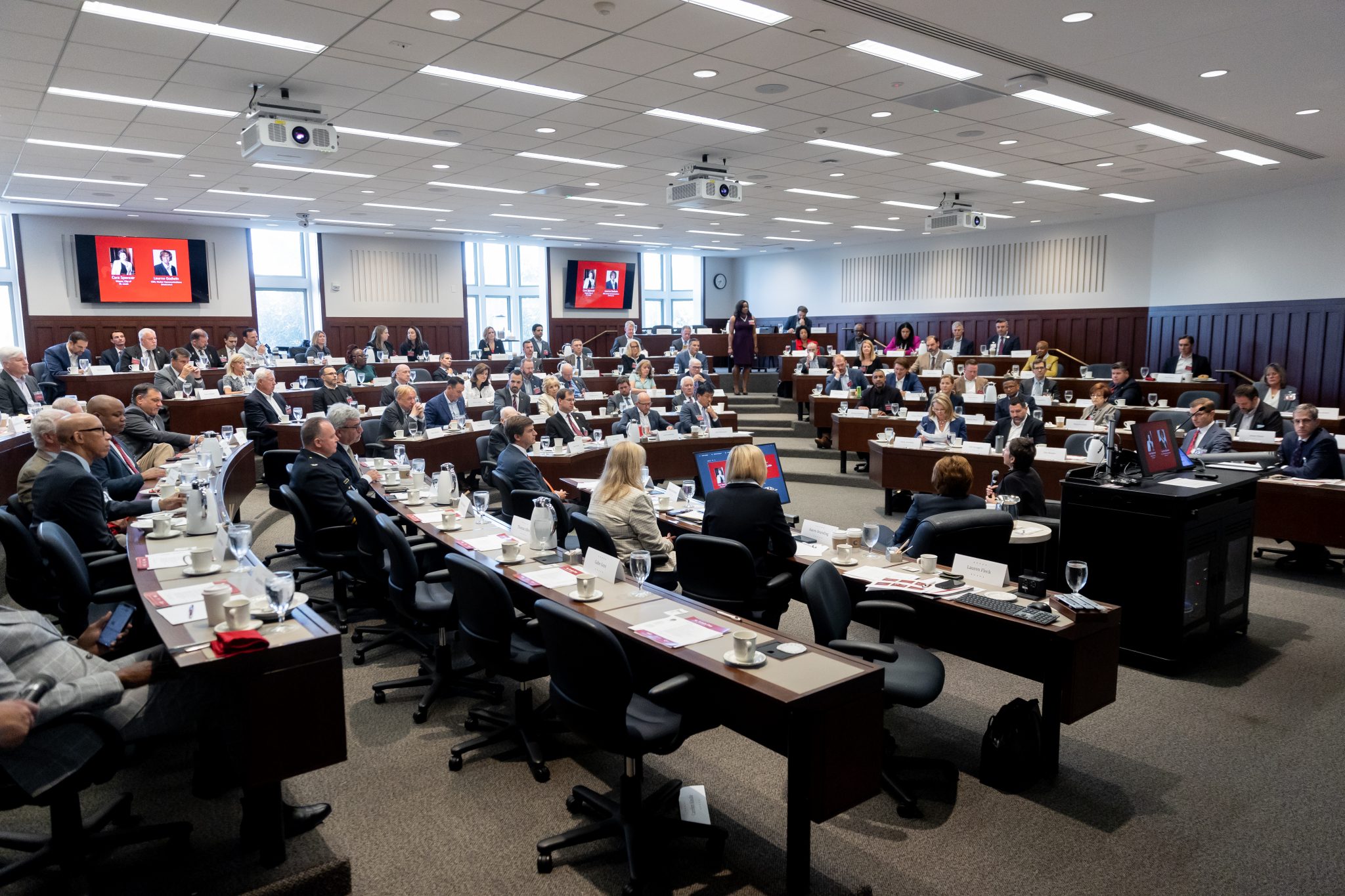
The Opportunity Trust convened St. Louis Day in partnership with Greater STL Inc. and the Regional Business Council, with a systems-change goal: to position education and workforce readiness at the center of regional economic strategy. More than 115 legislators, civic and business leaders gathered at Washington University’s Knight Center to examine tornado recovery, job creation, airport expansion, and infrastructure, but the day’s throughline was unmistakable. Missouri’s competitiveness depends on fundamentally reimagining high school to equip young people for a rapidly changing economy.
Across Missouri, thousands of family-sustaining jobs go unfilled—not because they don’t exist, but because too few students graduate ready to seize them. The disconnect between what schools prepare students for and what the economy demands has never been more evident.
In St. Louis City, only 12% of the 2015 high school graduating class earned a bachelor’s degree within six years, and of those who began college, more than 70% did not finish. Meanwhile, 74% of skilled trades employers report difficulty finding qualified applicants, and 60% cite employable skill gaps as a barrier to hiring.
The Opportunity Trust has spent five years confronting that disconnect—designing innovative models like BELIEVE Academy and Next Prep that embed career-connected learning directly into high school. But systems change requires more than proof—it requires an aligned ecosystem. St. Louis Day built that ecosystem: a shared commitment among Missouri’s most influential leaders to make workforce readiness central to education policy, economic development strategy, and employer investment.
Education Takes Center Stage to Shape Missouri’s Priorities
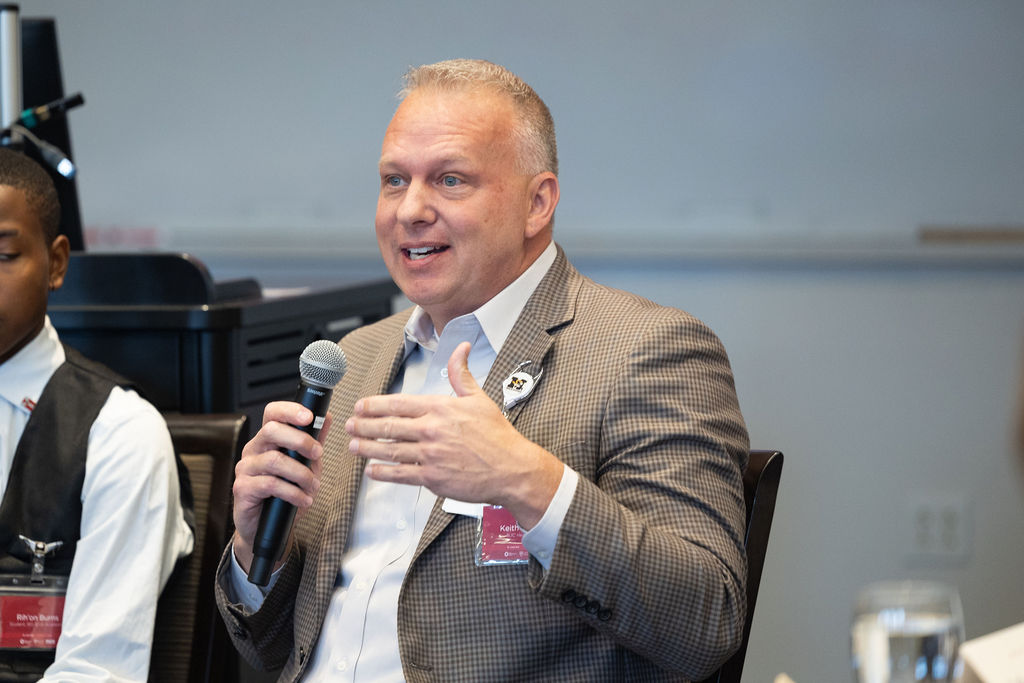
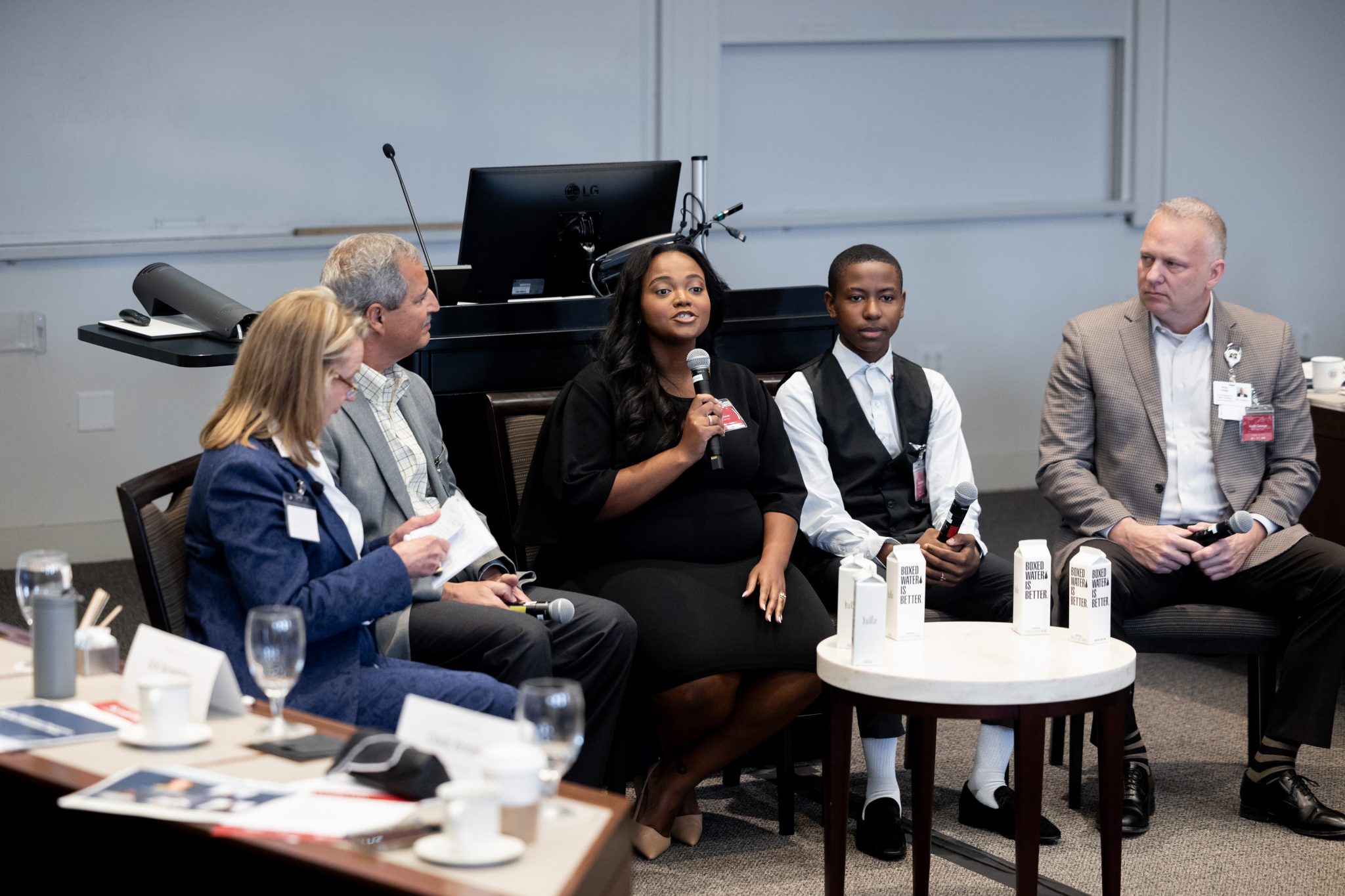
“We are a high-demand, low-supply state,” said Keith George of BJC HealthCare. “We don’t have a choice but to make this a strategy of how we look at early talent.”
The “Creating a Prepared Workforce” presentation and panel discussion highlighted the strategic approach The Opportunity Trust is implementing to address the workforce development disconnect:
- Being an intermediary through the Next Prep program, to broker partnerships between employers, training institutions, higher education, and high schools
- Incubating career-connected school models -like BELIEVE -that prepare students for the range of pathway possibilities
- Advocating for policy and funding changes that incentivize quality, career-connected learning models
Moderated by The Opportunity Trust board member, business executive, and civic leader, Cindy Brinkley, the panel featured Keith George (BJC HealthCare), Jawn Dixon (BELIEVE Academy), Dan Fitter (Quest Specialty Products, Inc.), and BELIEVE student Rih’on Burns, who offered a firsthand look at what workforce-connected education can achieve.
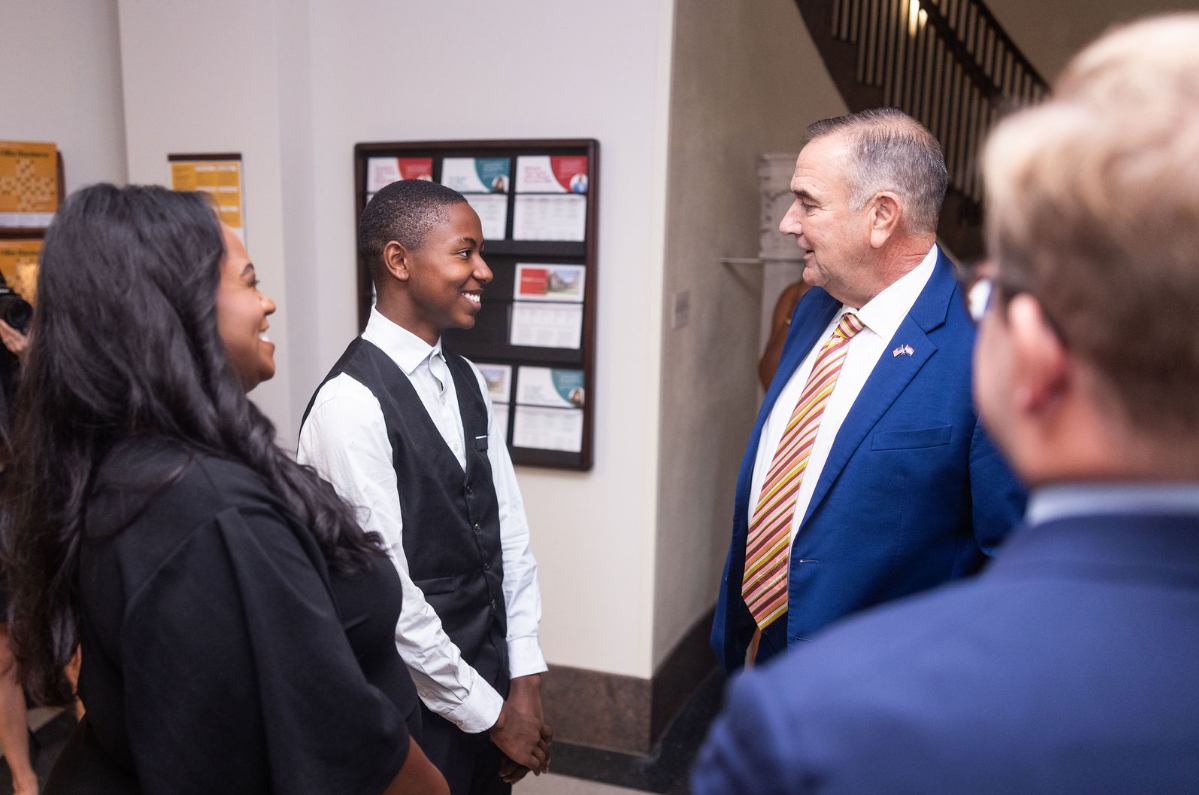
BELIEVE Student Rih’on Burns shared, “Going to BELIEVE, I know I want to be an oncologist…a lot of my friends in other schools have never been introduced to careers outside of what they already knew,” emphasizing how much student success depends on exposure and access.
BELIEVE Academy’s partnership with BJC and supported by a transformative investment from Bloomberg Philanthropies, is one example of how schools in our portfolio are pioneering career-connected learning that leads to real opportunity—ensuring students graduate with both credentials and clarity about their futures.
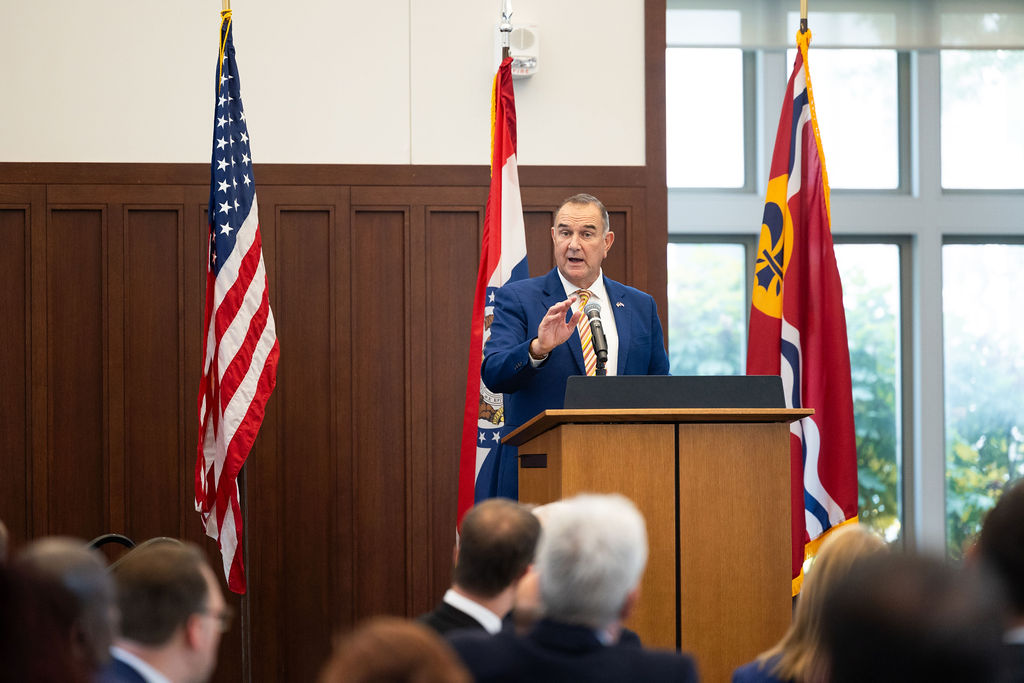
For the first time since I’ve been in public service, I really see the collaborative effort between our education institutions and our business institutions.
Governor Mike Kehoe
The Case for Rethinking Education
While the majority of high schools stop at career exploration or even internships for 11th and 12th graders, Next Prep’s model goes deeper by strategically blending academic rigor with career exploration starting in 9th grade, employability skill development, and access to hands-on learning through internships. The model’s early results are strong: 85% of students report clarity about their career goals, 75% demonstrate proficiency in professional skills, and 60% of 11th graders in trade pathways have earned at least one industry-certified credential. Employee partners of Next Prep report that 70% of participants are ready for the workplace – right out of high school.
“Hopefully, we can bring some of these partnerships in this work back to Indianapolis, especially the med tech program for high school students. I found that really amazing,” said Katina Knox, Senior Director of School Partnerships and Impact at The Mind Trust.
Through initiatives like Next Prep, The Opportunity Trust is proving there’s a better way. Next Prep aligns high school learning with Missouri’s workforce needs. Students begin by discovering their strengths and interests, then progress into high-demand fields such as healthcare, advanced manufacturing, or the trades—earning dual credit and industry credentials before graduation.
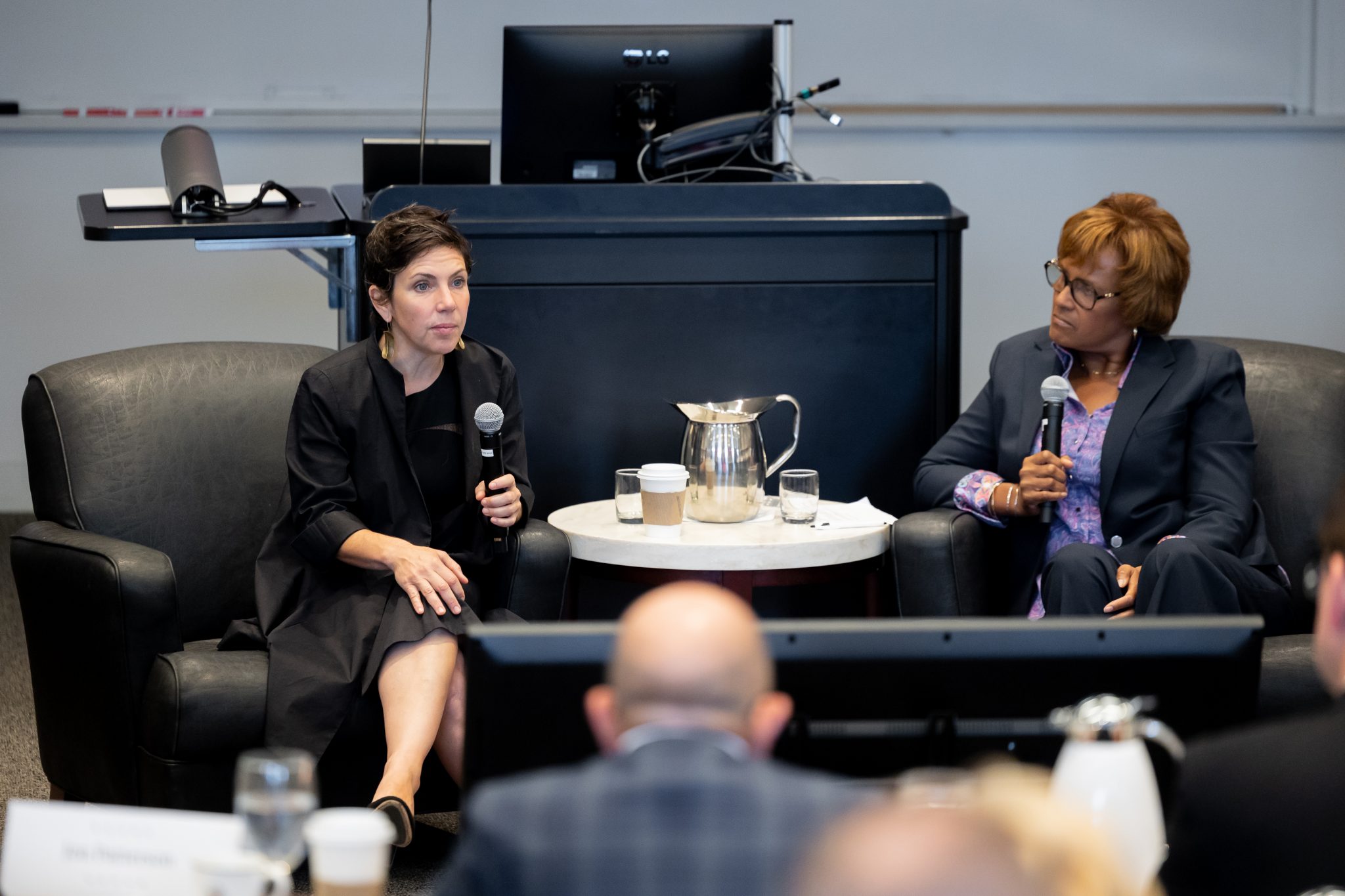
State Policies to Bolster Aligned Workforce Development
St. Louis Day made one thing clear: the models we’ve pioneered at BELIEVE Academy and Next Prep aren’t just promising experiments—they’re the blueprint Missouri needs. The Opportunity Trust will continue leading this transformation, but we can’t do it alone.
To realize this future, policymakers, funders, and business leaders must :
- Update high school graduation requirements to recognize career-oriented pathways.
- Align Career and Technical Education (CTE) and workforce funding with real outcomes.
- Ensure transportation and infrastructure do not block student opportunities.
Ultimately, the goal is to align the creation of more jobs with a new generation of students prepared to fill them. Learn more at TheOpportunityTrust.org

Redefining Success: National Leaders Turn to St. Louis for Solutions

Generational Change: Cross-Sector Partnership Expanding Career Pathways for St. Louis Students
Generational Change: Cross-Sector Partnership Expanding Career Pathways for St. Louis Students
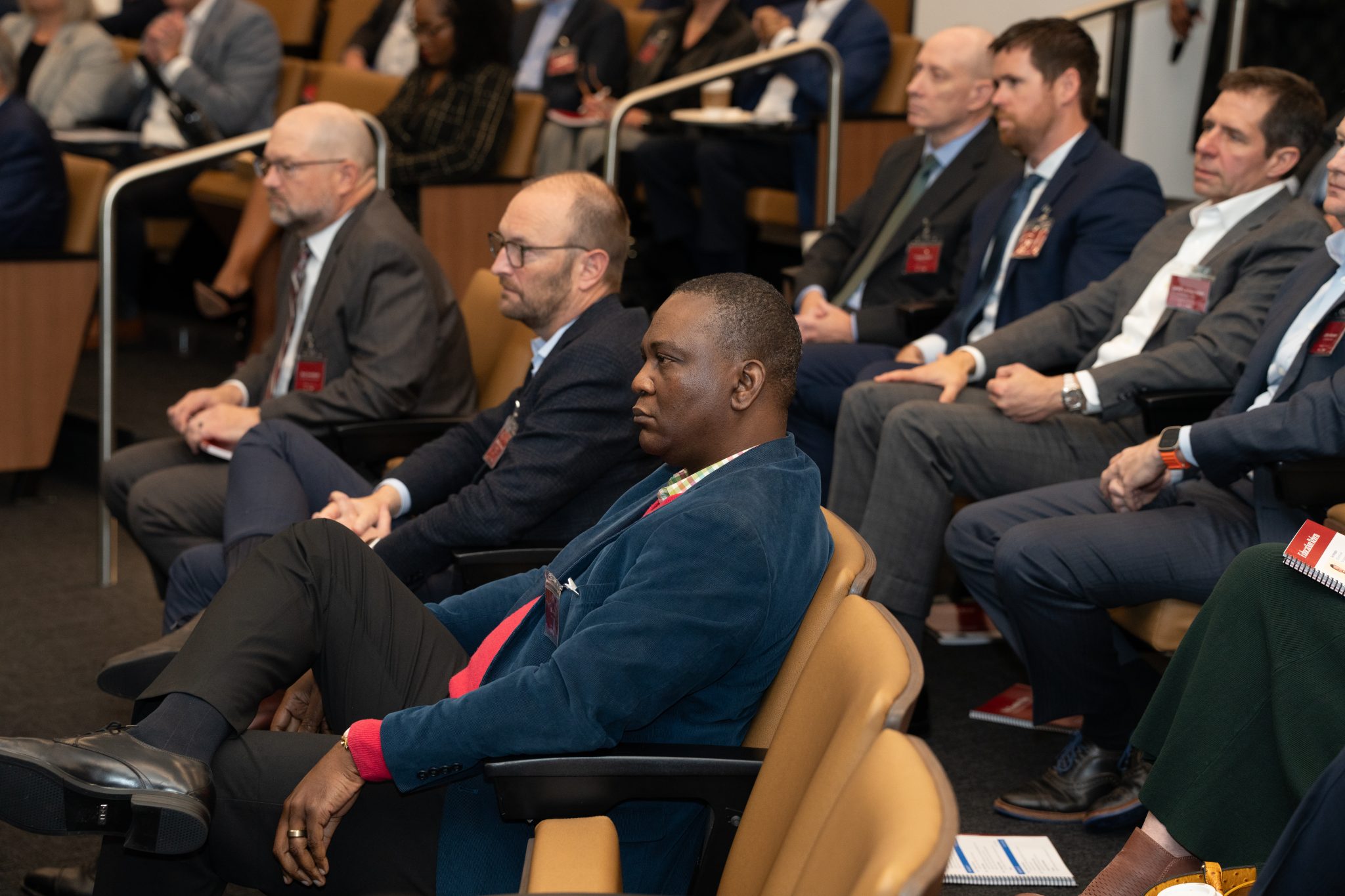
Fostering Collaboration: St. Louis Day Convenes Leaders To Forge Stronger Relationships
Fostering Collaboration: St. Louis Day Convenes Leaders To Forge Stronger Relationships
Innovative Next Prep Initiative Expands to Second School and City
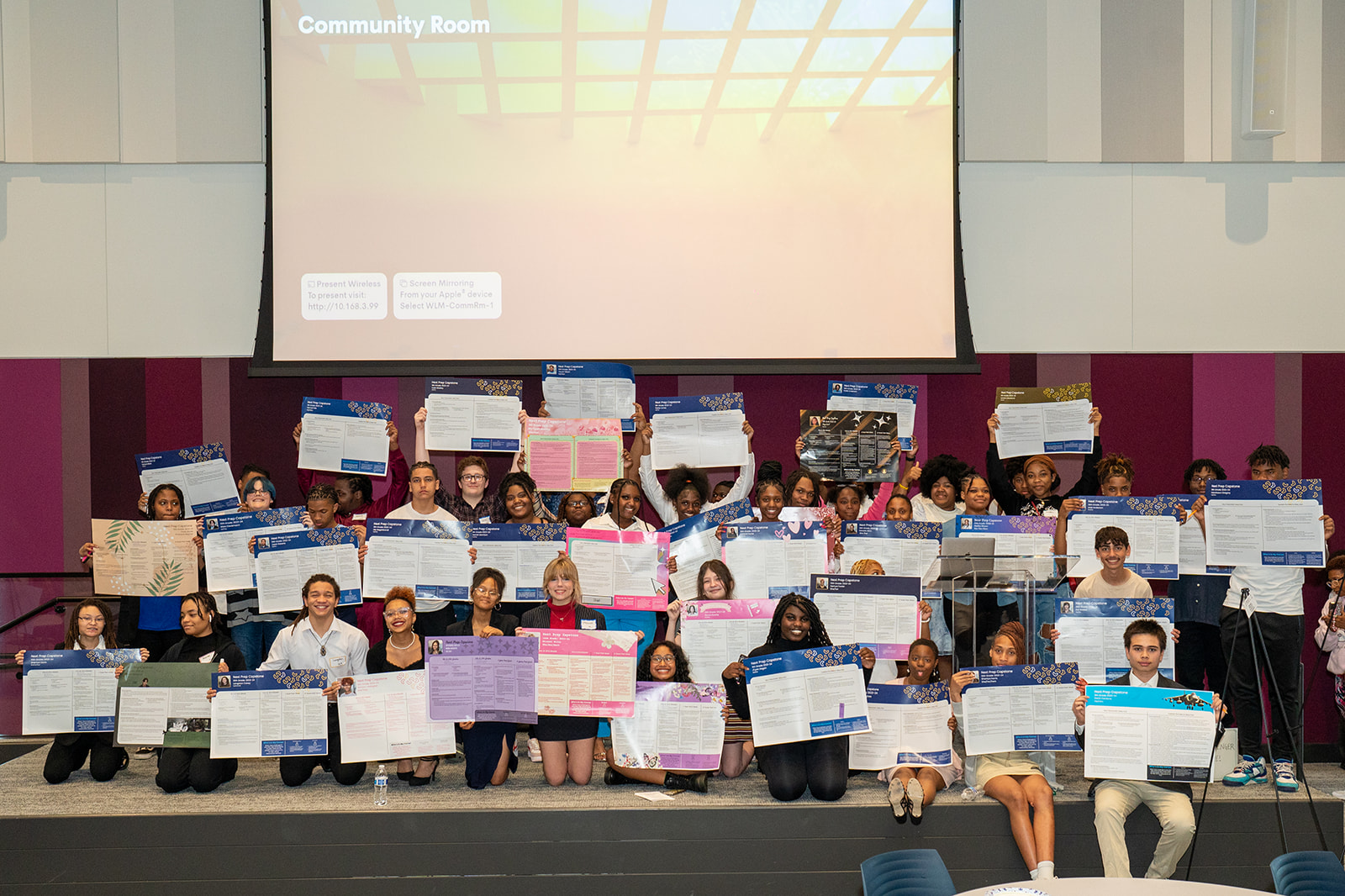
This spring, 525 students from St. Louis and Indianapolis completed Next Prep, exploring careers through capstone projects and employer partnerships. Next year, the program expands to serve 700 students.