04/21/26
Improving Literacy: How the Emerson Early Literacy Challenge is strengthening early reading across St. Louis
In the most recent completed MAP assessment cycle, Atlas Elementary’s third-graders tested roughly five percentage points above the Missouri state average in reading, even while serving a student population with significantly greater needs than the state as a whole. This is just one example of early measurable evidence from the Emerson Early Literacy Challenge that coordinated, sustained investments in evidence-based instruction can translate into improved student outcomes.
The Emerson Early Literacy Challenge was designed and coordinated by The Opportunity Trust (OT) as a cross-school improvement model focused on strengthening instructional systems, leadership alignment, and evidence-based literacy practice. Through Emerson’s continued investment, eight participating schools across two cohorts received grants and support – ranging from structured coaching to strategic curriculum planning – to accelerate academic improvements.
The result is measurable early progress. Barbara C. Jordan Elementary increased reading growth 8% for first graders and 10% for second graders. At Commons Lane Primary, 65.8% of students are meeting or exceeding expected growth targets at mid-year – the highest rate among Ferguson-Florissant primary schools. At Premier Charter School, 82% of kindergarten students and 67% of first-graders are already meeting or exceeding end-of-year literacy benchmarks at midyear.
The State of Missouri currently ranks below the national average in fourth-grade reading proficiency, underscoring the urgency of scalable early literacy solutions. Increasing the pace and scale of improvement is key, as students who read proficiently by third grade are significantly more likely to graduate high school and be prepared for the workforce.
These early indicators reflect the intentional design of the Emerson Early Literacy Challenge to develop durable instructional practices and expectations rather than short-term interventions so gains can deepen over time. Just as important, the improvement is spreading. A second cohort of schools is now implementing the program, starting with the refined experience from Cohort 1.

Early Results
Across three local elementary schools, more students are reading at grade level and making faster progress than last year, showing that recent literacy efforts are helping children learn to read more successfully. At Commons Lane Primary, 45% of second-grade students are already on track to meet end-of-year reading fluency goals.
“This progress reflects what happens when schools receive sustained support to align instruction around research-based literacy practices,” said Jonathan Caldera, Associate Partner at The Opportunity Trust. “When leadership, coaching, and classroom practice reinforce one another, early reading gains become more achievable — and more sustainable.”
Across Cohort 1 schools — Atlas Elementary, Barbara C. Jordan Elementary, Commons Lane Primary, and Premier Charter School — leaders aligned instruction around practices grounded in the science of reading. Shared routines across grade levels ensure every student practices phonics, reads connected text, and applies comprehension strategies daily, building confidence and independent reading skills. Consistency across classrooms allows educators to identify struggling readers earlier and provide targeted support before gaps widen.
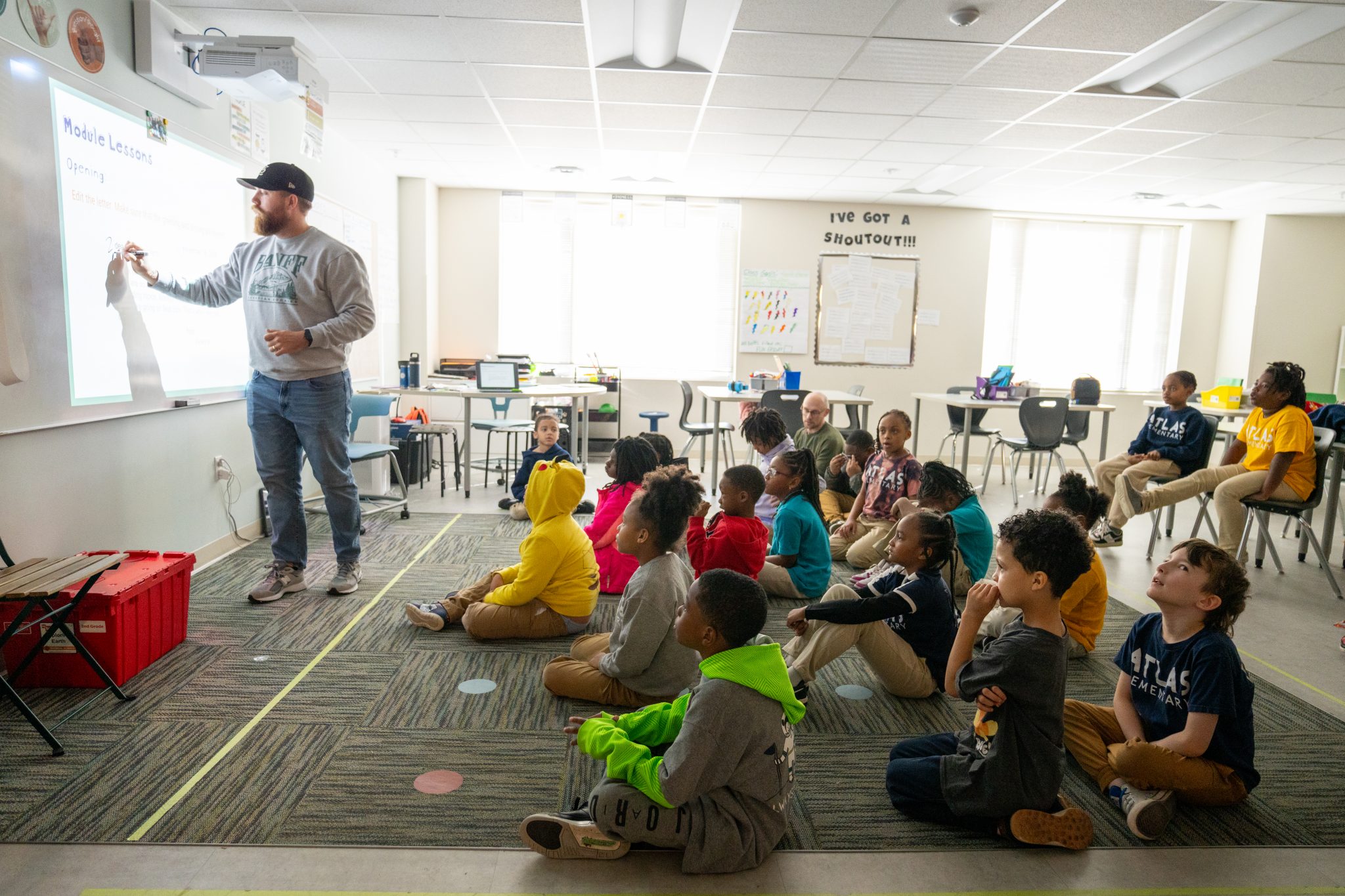
“Before, there was not an expectation of consistent language and motions across grade levels,” one school leader explained. “Now the expectation is the same for teachers and students.”
Because parents and caregivers are a student’s first teacher, EELC schools are engaging families even more by partnering to ensure literacy support is reinforced at home. At Commons Lane Primary, 81% of families report using tutoring supports multiple times each week at home, indicating that the literacy initiative is influencing learning routines beyond the classroom.
“Many of the schools in the Emerson Early Literacy Challenge have been partners for years, through leadership development, governance support, and strategic investments,” commented Eric Scroggins, Founder and CEO, The Opportunity Trust. “This initiative demonstrates that layered, sustained investment produces measurable progress for students.”
Learning Across Schools
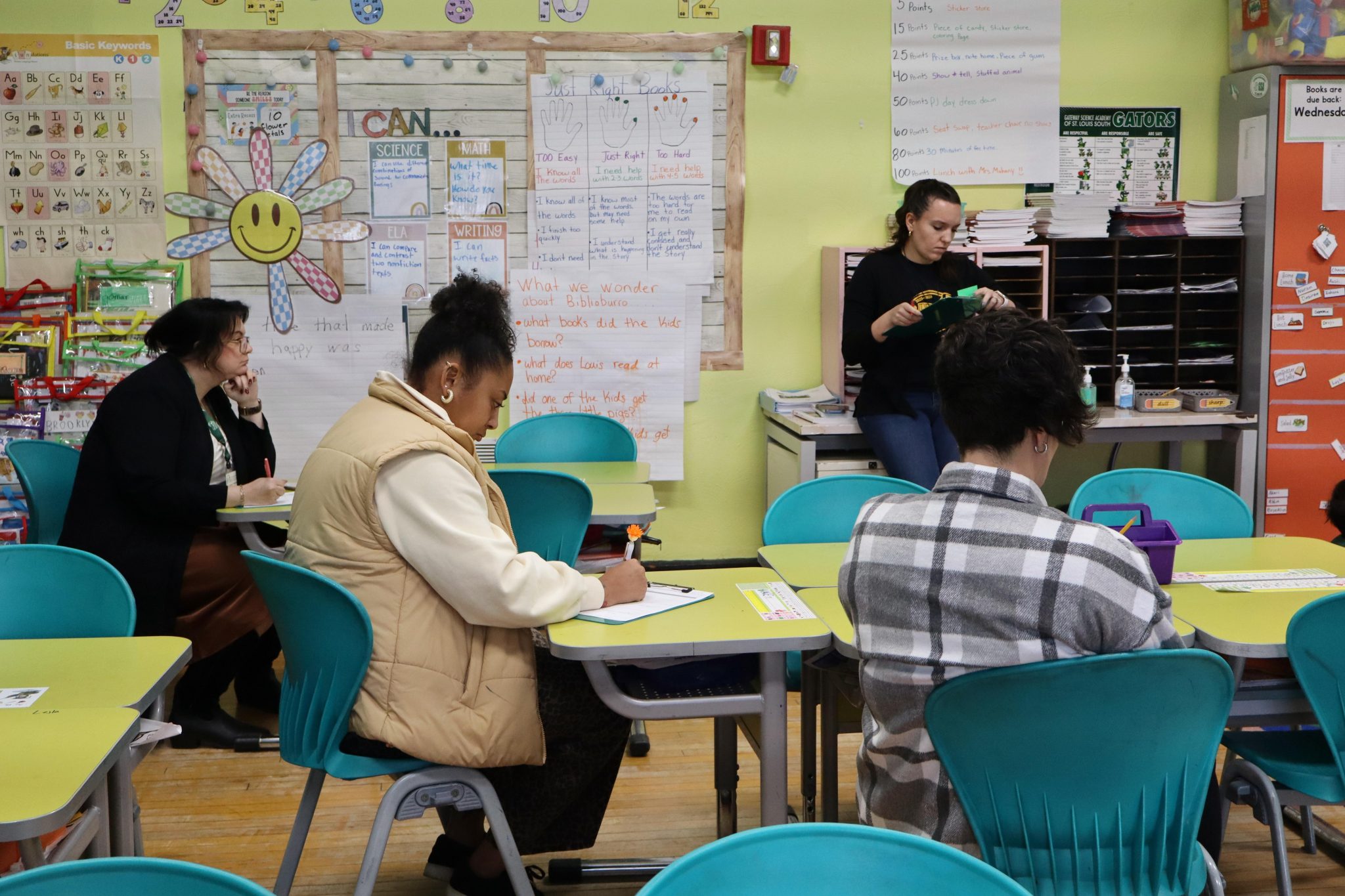
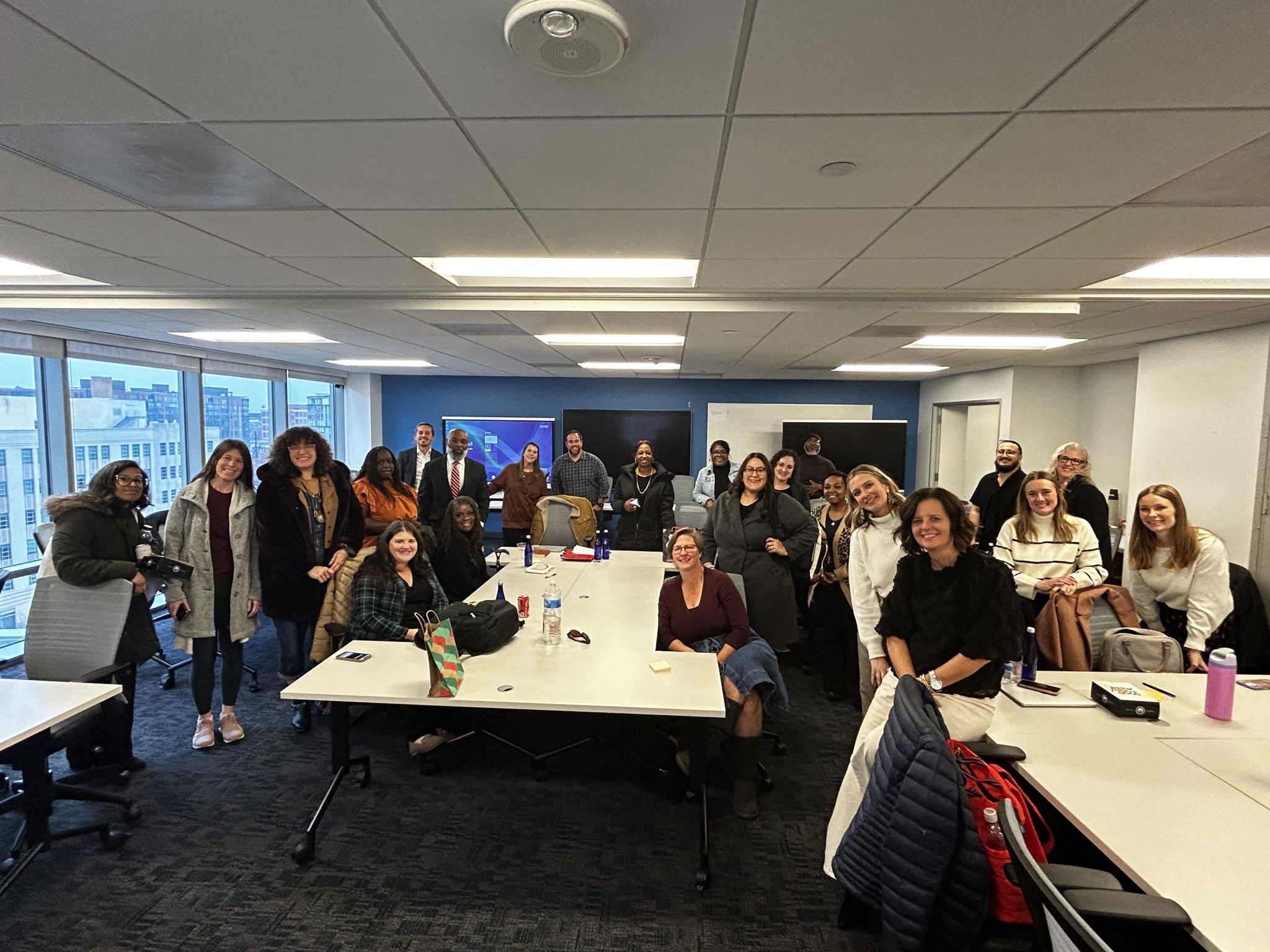
Cross-colaboration between schools is key to the scalability of EELC success. Now, with eight schools in the program, educators are sharing their learning to rapidly identify what’s working and get support in making adjustments where needed. Additionally, regular touchpoints throughout the year allow practitioners to collaborate and consult their colleagues on best practices. Cohort 2 schools can expand and accelerate their impact through this community of practice, with classroom visits that allow educators to refine instruction in real time and build on progress rather than starting over each year.
“Teachers are becoming more comfortable opening their classrooms to colleagues and receiving feedback that supports continuous growth and improvement in their teaching,” said a Cohort 2 participant.
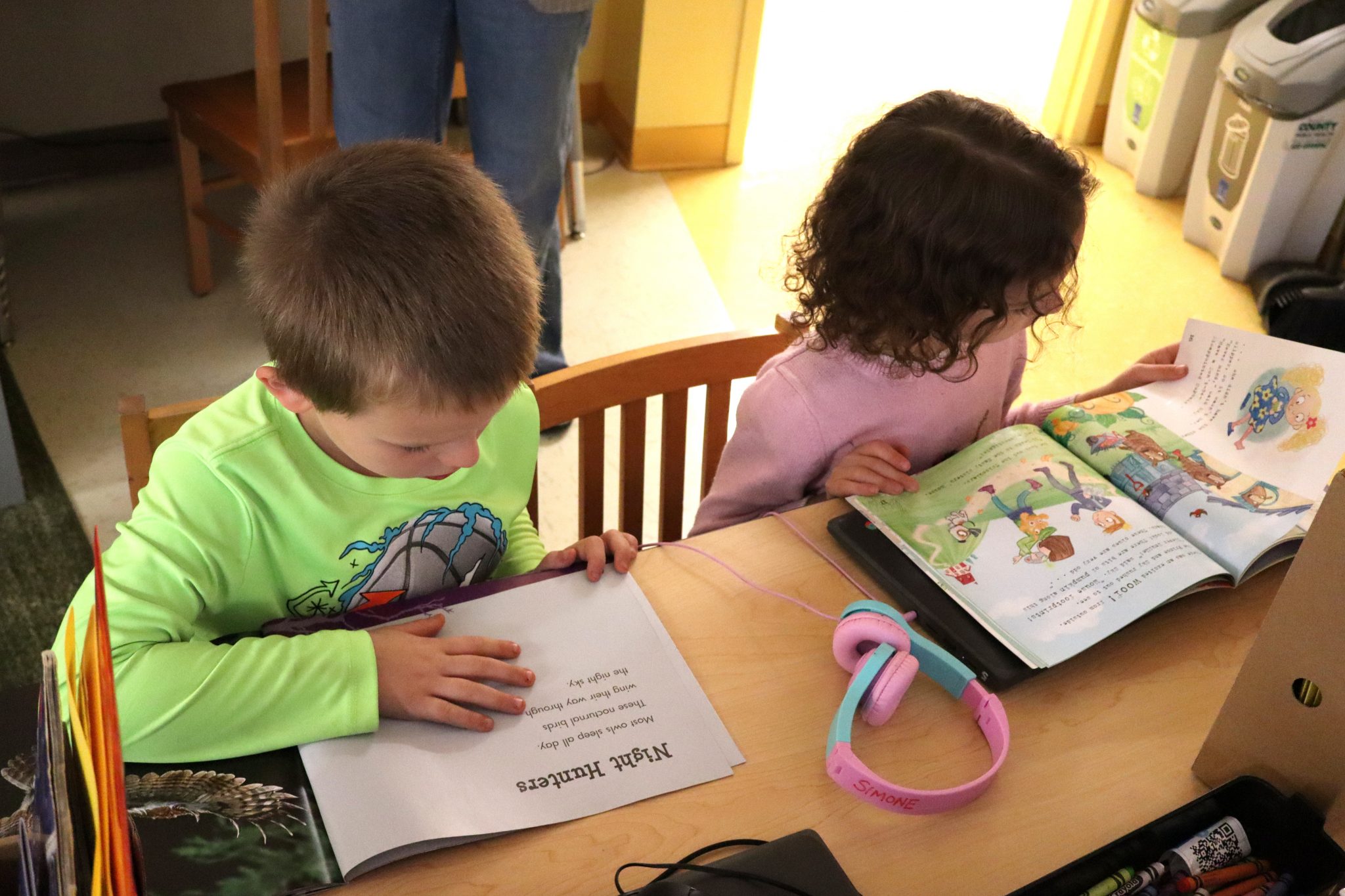
Early classroom evidence suggests that students in Cohort 1 schools are engaging with reading more confidently — attempting unfamiliar words, applying strategies independently, and sustaining attention during literacy tasks. These behavioral shifts, paired with emerging assessment data, signal the potential for longer-term results for early readers across the region.
Pacesetting Progress: Emerson Early Literacy Challenge Selects Four New Schools
Boosting Literacy: St. Louis Schools Take a Page from D.C.

A Successful Start: Emerson Early Literacy Challenge Kicks Off